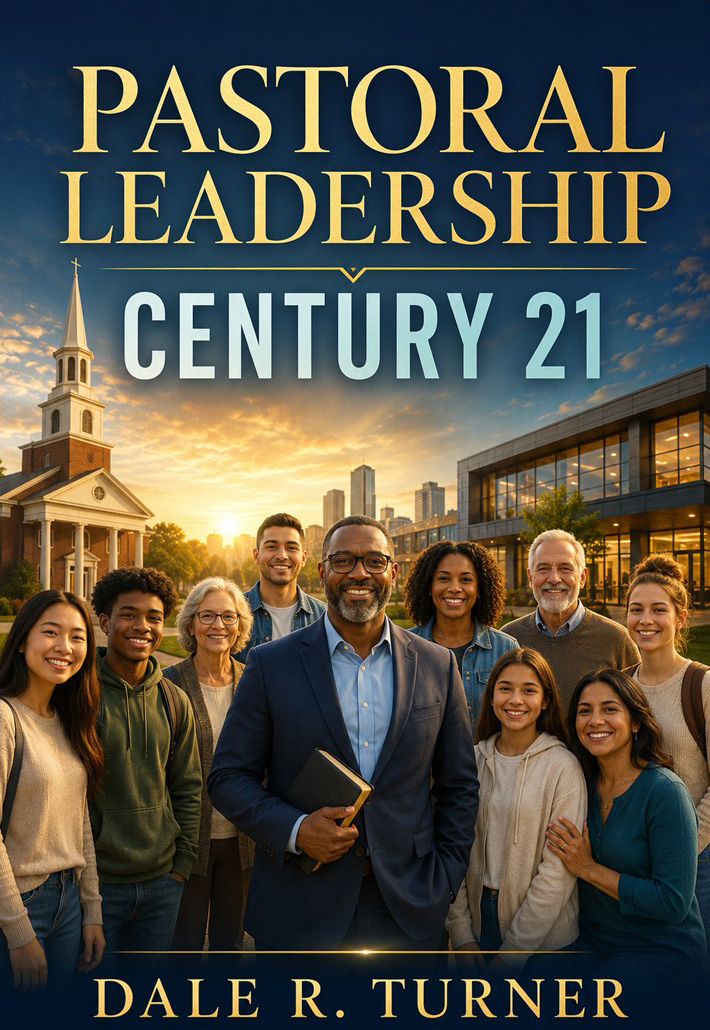
Pastoral Leadership Century 21.
Introduction to Pastoral Leadership Century 21.
 Click here to see book on Amazon: https://amzn.to/3TNwL8a Pastoral ministry in the twenty-first century is filled with extraordinary opportunities—and unprecedented challenges. Churches are navigating rapid cultural change, generational differences, digital transformation, declining institutional trust, shifting patterns of attendance, and increasing levels of conflict and anxiety. At the same time, people continue to hunger for spiritual meaning, authentic relationships, compassionate community, and the life-changing message of the gospel.
Pastoral Leadership Century 21, offers a timely and practical guide for pastors, ministry leaders, church board members, lay leaders, and congregations seeking to serve faithfully in a changing world. This book explores how Christian leaders can remain deeply rooted in Scripture and spiritual formation while developing the wisdom, flexibility, and leadership skills needed for contemporary ministry.
The church does not need leaders who merely preserve existing programs. It needs spiritually grounded leaders who can discern God’s direction, communicate a compelling vision, equip others for ministry, navigate change wisely, and build healthy congregations. This book provides a thoughtful framework for doing exactly that.
A Contemporary Guide to Effective Pastoral Leadership.
 Pastoral leadership today requires much more than preaching a weekly sermon or managing a church calendar. Modern pastors are spiritual leaders, teachers, visionaries, caregivers, administrators, conflict navigators, team builders, community partners, and digital communicators. These responsibilities can become overwhelming without a clear sense of calling, healthy priorities, and dependable leadership practices.
Pastoral Leadership Century 21 helps leaders understand the changing nature of pastoral ministry without abandoning the enduring foundations of the Christian faith. It shows how pastors can respond creatively to new conditions while keeping prayer, Scripture, discipleship, worship, mission, and love at the center of congregational life.
Rather than promoting a single ministry model, this book presents principles that can be adapted to churches of different sizes, traditions, locations, and cultures. Whether you serve a small rural congregation, a growing suburban church, an urban ministry, or a historic congregation seeking renewal, you will find practical insights that apply to your leadership setting.
Rediscover the Calling of the Twenty-First-Century Pastor.
Effective pastoral leadership begins with a clear understanding of calling. Ministry is not simply a profession, organizational position, or collection of religious responsibilities. It is a sacred vocation shaped by service, humility, courage, compassion, and faithfulness.
 This book encourages pastors to examine the spiritual foundations of their leadership. It addresses the importance of developing a deep devotional life, maintaining emotional health, establishing appropriate boundaries, and leading from a secure sense of identity. When leaders neglect their spiritual lives, ministry can become mechanical, exhausting, and reactive. When they remain connected to God, however, they are better prepared to guide others with wisdom and grace.
Readers will discover why sustainable ministry must flow from spiritual depth rather than constant activity. The goal is not simply to help pastors accomplish more. It is to help them become healthier, wiser, and more faithful leaders.
Clarify Your Church’s Mission and Vision.
 Many congregations are busy but uncertain about their purpose. Their calendars may be full, yet their ministries may lack a shared direction. Programs continue because they have always existed, while new opportunities are overlooked because the church has not clearly identified its mission.
Pastoral Leadership Century 21 explains how leaders can help congregations rediscover why they exist. It explores the difference between mission, vision, goals, and strategies, showing how each contributes to effective church leadership and congregational renewal.
 A clear mission unites people around a common purpose. A compelling vision helps them imagine a faithful future. Practical goals transform that vision into measurable action. When these elements work together, churches can use their resources more wisely, evaluate ministries more honestly, and move forward with greater confidence.
This book will help leaders communicate vision in ways that invite participation rather than creating unnecessary resistance. It also demonstrates how pastors can build trust, listen carefully, and encourage congregations to take shared ownership of their future.
Preach the Gospel in a Changing Culture.
Preaching remains one of the pastor’s most important responsibilities, but communicating effectively in the twenty-first century requires careful attention to the questions, experiences, and challenges people bring to worship.
Contemporary listeners are often skeptical of institutions, exposed to countless competing messages, and shaped by digital media. They are looking for authenticity, clarity, practical relevance, and genuine hope. This does not mean the gospel should be altered to fit popular culture. It means the timeless message of Christ must be communicated in language people can understand and connect with their daily lives.
Dale R. Turner examines how pastors can preach with biblical faithfulness, theological depth, cultural awareness, and pastoral sensitivity. Readers are encouraged to address real human concerns while offering more than shallow inspiration. Effective preaching should help people understand the Christian faith, encounter grace, grow spiritually, and live as disciples in the world.
Lead Congregational Change with Wisdom.
Change is one of the greatest challenges facing today’s church. Many congregations recognize that their current approaches are no longer producing the desired results, yet they remain anxious about trying something different. Long-standing traditions, emotional attachments, competing priorities, and fear of loss can make even necessary changes difficult.
Pastoral Leadership Century 21 presents a compassionate approach to congregational change. Instead of treating resistant people as obstacles, wise leaders seek to understand the experiences and concerns beneath their resistance. They honor the congregation’s history while helping people prepare for the future.
Readers will learn the value of careful listening, honest communication, appropriate timing, collaborative decision-making, and small, achievable steps. The book also discusses the importance of distinguishing between the church’s unchanging mission and the methods that must continually be evaluated.
Healthy change is not about discarding everything from the past. It is about carrying the church’s most faithful values into a new season of ministry.
Build a Culture of Prayer and Discipleship.
Church growth cannot be measured only by attendance, budgets, buildings, or social media engagement. The deeper goal is spiritual transformation. Churches fulfill their mission when people are growing in faith, developing Christlike character, discovering their gifts, serving others, and participating in God’s work in the world.
This book provides practical guidance for building a congregation centered on prayer and discipleship. It explores how churches can move beyond occasional classes and isolated programs toward a comprehensive culture of spiritual formation.
Pastors and ministry leaders will be challenged to examine whether their ministries are producing active disciples or passive participants. They will also discover ways to make prayer more central to worship, leadership meetings, personal decision-making, pastoral care, and congregational planning.
Reach Younger Generations.
One of the most urgent challenges facing many churches is the growing distance between congregational life and younger generations. Reaching children, teenagers, young adults, and young families requires more than adding contemporary music or creating another program. It requires authentic relationships, meaningful participation, honest conversation, and a willingness to listen.
Pastoral Leadership Century 21 explores how churches can become communities in which younger people feel welcomed, respected, and needed. It emphasizes belonging, mentoring, intergenerational relationships, digital connection, mission, and opportunities for genuine leadership.
Rather than expecting younger generations simply to maintain existing church structures, congregations must invite them to help shape the church’s ministry. Their questions should not be feared, and their creativity should not be dismissed. When churches listen with humility and offer meaningful responsibility, younger people can become vital participants in the mission of Christ.
Develop and Empower Lay Leaders.
No pastor can carry the entire ministry of a congregation alone. Churches become healthier when leadership is shared and every member is encouraged to discover and use their God-given abilities.
This book shows pastors how to identify, train, mentor, support, and empower lay leaders. Effective delegation is more than assigning tasks. It involves building trust, clarifying expectations, providing resources, encouraging creativity, and allowing people to grow through experience.
Shared leadership protects pastors from unnecessary exhaustion while strengthening the entire congregation. It transforms church members from observers into active partners in ministry. By developing leaders at every level, churches become more resilient, creative, and capable of responding to new opportunities.
Create an Effective Digital Ministry.
Digital ministry is no longer optional. Websites, social media, livestreaming, online groups, email communication, and digital resources now shape how people discover churches and participate in spiritual community.
Pastoral Leadership Century 21 helps leaders approach digital ministry strategically rather than treating it as an afterthought. Technology should serve the church’s mission, strengthen relationships, communicate clearly, and create pathways toward deeper involvement.
The book addresses the need for consistent communication, accessible online content, thoughtful social media engagement, and integration between digital and in-person ministry. It also recognizes the limitations of technology and emphasizes that digital tools should support authentic Christian community rather than replace it.
Navigate Conflict and Congregational Anxiety.
Wherever people gather, conflict will occur. Churches are not immune from disagreements, misunderstandings, personality differences, competing expectations, or anxiety about the future. Poorly handled conflict can damage relationships and weaken a congregation’s witness. Wisely handled conflict can lead to greater understanding, healthier boundaries, and renewed trust.
Dale R. Turner offers practical guidance for navigating difficult conversations, reducing unhealthy reactivity, and maintaining a calm pastoral presence. Leaders will learn the importance of listening, clarifying concerns, addressing problems early, communicating directly, and refusing to participate in destructive patterns.
This book does not promise a conflict-free church. Instead, it equips leaders to respond to conflict with maturity, courage, compassion, and integrity.
An Essential Resource for Today’s Church Leaders.
Pastoral Leadership Century 21 is ideal for:
Pastors serving local congregations.
Seminary students preparing for ministry.
Church board and council members.
Lay leaders and ministry volunteers.
Denominational leaders and church consultants.
Congregations experiencing transition.
Churches seeking renewal and revitalization.
Leaders developing digital and intergenerational ministries.
Ministry teams working to clarify mission and vision.
Anyone interested in the future of Christian leadership.
Each chapter addresses a vital dimension of contemporary pastoral ministry while remaining focused on the church’s spiritual purpose. The insights are practical enough to guide immediate action and broad enough to encourage deeper reflection.
Lead Faithfully into the Future.
The future of the church will not be secured by nostalgia, frantic activity, or organizational survival alone. It will be shaped by faithful leaders who pray deeply, think clearly, love people, proclaim the gospel, develop others, and respond courageously to a changing world.
Pastoral Leadership Century 21 invites pastors and congregations to move beyond maintenance and rediscover the joy of mission. It offers encouragement for discouraged leaders, direction for uncertain churches, and practical wisdom for anyone called to guide God’s people through a season of profound change.
The challenges of twenty-first-century ministry are real, but so are the opportunities. Communities still need hope. Families still need support. Younger generations still need belonging and purpose. Hurting people still need grace. The world still needs churches that embody compassion, truth, reconciliation, service, and spiritual vitality.
With faith in God, a clear mission, healthy leadership, and a willingness to learn, churches can enter the future with confidence.
Discover how to lead with spiritual depth, pastoral wisdom, practical vision, and renewed hope. Pastoral Leadership Century 21 is an essential guide for those who believe the church’s greatest days of faithful ministry may still be ahead.