Explore why people pray and the psychology behind faith. Discover the search for meaning through the practice of prayer.
Introduction to Why Do People Pray? Psychology and Faith.
Explore why people pray and the psychology behind faith. Discover the search for meaning through the practice of prayer.Prayer addresses emotional needs while also opening the soul toward God. Prayer has been a central human practice for thousands of years. Across cultures, religions, and civilizations, people pray during moments of joy, suffering, fear, gratitude, uncertainty, and hope. In the modern world, psychologists, theologians, neuroscientists, and sociologists continue to ask an important question: Why do people pray?
The answer is both psychological and spiritual. Why Do People Pray? Psychology and Faith. Prayer addresses emotional needs while also opening the soul toward God. For millions of believers, prayer is not merely a coping mechanism; it is a living relationship with the Creator of the universe.
 One of the primary reasons people pray is the search for meaning. Human beings naturally ask deep questions about existence: Why am I here? What is my purpose? Does suffering have meaning? Prayer becomes a pathway through which people process these questions. Psychologist Viktor Frankl argued that humanity possesses a deep “will to meaning,” and people suffer profoundly when life feels empty or disconnected from purpose.¹

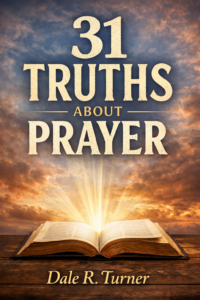
Click the link to learn more about the book. https://21renewal.com/product/31-truths-about-prayer/
Prayer often emerges most intensely during crisis. When people face illness, grief, financial hardship, or emotional pain, they instinctively seek something greater than themselves. Studies in the psychology of religion consistently show that prayer provides emotional stabilization during periods of uncertainty.² In moments where human control fails, prayer creates a sense of spiritual grounding.
From a Christian perspective, this longing for meaning reflects humanity’s relationship with God. Holy Bible Revised Standard Version teaches that human beings are created in the image of God and designed for communion with Him.³ Prayer therefore becomes not merely psychological comfort but the restoration of divine relationship.
The Psychology of Prayer and Emotional Health.Why Do People Pray? Psychology and Faith.
Modern psychology increasingly recognizes that prayer can positively affect emotional well-being. Researchers have observed correlations between regular prayer practices and lower levels of anxiety, depression, stress, and loneliness.⁴ Prayer often functions as emotional regulation by slowing the mind, reducing fear, and increasing hope.
Neuroscientific studies have also revealed measurable changes in the brain during contemplative prayer and worship practices. Andrew Newberg’s research on neurotheology suggests that prayer activates regions of the brain associated with focus, compassion, emotional regulation, and transcendence.⁵ These findings have led some scholars to argue that spirituality is deeply embedded within human consciousness.
However, Christian theology insists that prayer is more than brain chemistry. Believers pray because they believe God genuinely listens and responds. Jesus taught His followers to pray with confidence, describing God as a loving Father who hears His children.⁶ The psychological benefits of prayer may be real, but for Christians they are secondary to the spiritual reality of communion with God.
Prayer also creates emotional resilience. Individuals who maintain a consistent prayer life often report greater inner peace during suffering. This does not mean prayer removes hardship, but it frequently changes how hardship is experienced. Prayer shifts perspective from isolation to presence, from despair to hope.
Prayer as Relationship Rather than Ritual.
Many people misunderstand prayer as merely reciting words or performing religious rituals. In biblical Christianity, prayer is fundamentally relational. It involves speaking, listening, confessing, worshiping, thanking, and waiting before God.
John Wesley viewed prayer as one of the essential “means of grace” through which believers encounter the transforming presence of God.⁷ Wesley taught that prayer was not simply about requesting blessings but about becoming spiritually formed into the likeness of Christ.
This relational dimension explains why people continue praying even when no immediate answers appear. Prayer is not always transactional. It is often transformational. Many believers testify that prayer changes their hearts before it changes their circumstances.
In contemporary society, where loneliness and social isolation continue to rise, prayer also fulfills the human need for connection. Sociologists increasingly note that many individuals feel disconnected despite constant digital communication. Prayer creates a sense of relational intimacy that transcends social fragmentation.
Why People Pray During Crisis.
Historically, prayer intensifies during national tragedy, war, disease, and personal crisis. After major disasters, places of worship often experience increased attendance as people search for stability and hope. Psychologists refer to this as “religious coping.”⁸
Prayer provides several psychological benefits during crisis:
It restores a sense of hope.
It reduces feelings of helplessness.
It creates emotional structure during chaos.
It provides language for grief and fear.
It strengthens community support.
Faith communities often gather in prayer during moments of tragedy because collective prayer reinforces emotional solidarity. Prayer reminds suffering people that they are not alone.
From a theological perspective, crisis prayer also reflects humanity’s awareness of dependence upon God. Scripture repeatedly portrays people crying out to God during danger and uncertainty. The Psalms especially reveal how prayer becomes a pathway through fear, doubt, lament, and eventual trust.⁹
The Difference Between Prayer and Meditation. Explore why people pray and the psychology behind faith. Discover the search for meaning through the practice of prayer.
Modern culture often blends prayer and meditation together, but they are not identical practices. Meditation generally emphasizes inward reflection, mindfulness, or awareness. Prayer, especially Christian prayer, moves relationally toward God.
Biblical meditation focuses on reflecting deeply upon God’s truth rather than emptying the mind.¹⁰ Prayer includes meditation but extends beyond it through communication with God. Christians throughout history have combined reflective silence with active prayer, worship, and intercession.
The growing interest in mindfulness and meditation may partially explain renewed curiosity about prayer. Many people recognize their need for spiritual stillness in an age dominated by distraction, technology, and constant noise.
Prayer and the Search for Peace.Explore why people pray and the psychology behind faith. Discover the search for meaning through the practice of prayer.
Another major reason people pray is the pursuit of peace. Anxiety has become one of the defining emotional struggles of the 21st century. Constant media exposure, economic uncertainty, political tension, and personal stress leave many individuals emotionally exhausted.
Prayer offers a spiritual alternative to relentless mental overload. Studies suggest that contemplative spiritual practices can reduce physiological stress responses and increase emotional calm.¹¹ Christians often describe prayer as entering the peace of God’s presence.
The Apostle Paul instructed believers to bring their anxieties before God through prayer, promising that divine peace would guard their hearts and minds.¹² This theological promise continues to resonate deeply in modern culture.
Dale R. Turner’s 31 Truths About Prayer emphasizes that prayer is not simply an emergency response mechanism. It is a daily relationship that shapes emotional health, spiritual maturity, and personal identity. Prayer cultivates awareness that life is larger than immediate circumstances.
Why Prayer Continues in the Modern World.
Some predicted that scientific advancement would eventually eliminate prayer and religious belief. Yet prayer remains widespread globally. Even many individuals who rarely attend church still pray privately during moments of fear, gratitude, or uncertainty.
Why does prayer continue?
Because human beings continue searching for transcendence. Technology can provide information, but it cannot fully answer existential questions about meaning, suffering, morality, eternity, and purpose. Prayer addresses dimensions of life that material explanations alone cannot satisfy.
Prayer also persists because many people report genuine spiritual experiences. Throughout history, believers have testified to experiences of divine guidance, peace, healing, conviction, forgiveness, and transformation through prayer. While skeptics may interpret these experiences psychologically, Christians understand them spiritually.
The enduring reality of prayer suggests that humanity possesses both psychological and spiritual hunger. People pray because they long to know they are heard, loved, guided, and connected to something eternal.
Conclusion to Explore why people pray and the psychology behind faith. Discover the search for meaning through the practice of prayer.
Why do people pray? The answer lies at the intersection of psychology and faith. Prayer provides emotional comfort, psychological stability, relational connection, meaning, peace, and resilience. Yet for Christians, prayer is even more than this. Prayer is communion with God.
Human beings pray because they are spiritual creatures seeking transcendence in a complicated world. Prayer reminds people that they are not alone, not abandoned, and not without hope.
In a culture overwhelmed by anxiety, distraction, and uncertainty, prayer continues to endure because it speaks to the deepest needs of the human soul.
Endnotes to Why Do People Pray? Psychology and Faith.
1. Viktor E. Frankl, Man’s Search for Meaning (Boston: Beacon Press, 2006), 99–101.
2. Kenneth I. Pargament, The Psychology of Religion and Coping (New York: Guilford Press, 1997), 215–220.
3. Holy Bible Revised Standard Version, Genesis 1:26–27.
4. Harold G. Koenig, Religion and Mental Health (San Diego: Academic Press, 2008), 112–118.
5. Andrew Newberg and Mark Robert Waldman, How God Changes Your Brain (New York: Ballantine Books, 2009), 45–52.
6. Holy Bible Revised Standard Version, Matthew 6:5–13.
7. John Wesley, The Works of John Wesley, vol. 5 (Grand Rapids: Baker Books, 2007), 187–190.
8. Kenneth I. Pargament, Spiritually Integrated Psychotherapy (New York: Guilford Press, 2011), 77–84.
9. Holy Bible Revised Standard Version, Psalm 46.
10. Holy Bible Revised Standard Version, Psalm 1:2.
11. Herbert Benson, The Relaxation Response (New York: HarperCollins, 2000), 56–63.
12. Holy Bible Revised Standard Version, Philippians 4:6–7.
Articles about Books by Dale R. Turner.
Click on the links to view.
Angels & Pinheads, Matter & Spirit
https://21renewal.com/product/angels-pinheads-matter-spirit/
Your New Life in Christ Study Guide
https://21renewal.com/product/your-new-life-in-christ-a-study-guide/
Why Bears Wear Socks
https://21renewal.com/product/why-bears-wear-socks/
How to Conquer the AI Conquest
https://21renewal.com/product/how-to-conquer-the-ai-conquest/
Why the Resurrection Matters
https://21renewal.com/product/why-the-resurrection-matters/
Your New Life in Christ
https://21renewal.com/product/your-new-life-in-christ/
Annual Spiritual Impact Event
https://21renewal.com/product/annual-spiritual-impact-event/
The Unique You
https://21renewal.com/product/the-unique-you/
Difficult Questions For Christians
https://21renewal.com/product/difficult-questions-for-christians/
Kinfolk Wisdom: What We Pass On
https://21renewal.com/product/kinfolk-wisdom-passed-on/
How to Be Wise at Any Age
https://21renewal.com/product/wisdom-at-any-age/
The Stonewall System
https://21renewal.com/product/stonewall-chess-system/
Living Forward Skills Every Generation Needs
https://21renewal.com/product/living-forward-generation-skills/
The First 100 Days
https://21renewal.com/product/thw-first-100-days/
200 Ways to Overcome Loneliness
https://21renewal.com/product/200-ways-to-overcome-loneliness-and-reconnect-with-life/
31 Ways to Overcome Doubt
https://21renewal.com/product/31-ways-to-overcome-doubt/
31 Reasons to Have Hope For The Future
https://21renewal.com/product/31-reasons-to-have-hope-for-the-future/
31 Connections That Will Help You Conquer Depression
https://21renewal.com/product/31-connections-conquer-depression/
31 Ways That You Can Be Riah
https://21renewal.com/product/31-ways-that-you-can-be-rich/
TLC Groups For Busy Disciples
https://21renewal.com/product/tlc-groups-for-busy-disciples/
31 Ways That Forgiveness Transforms Your Life
https://21renewal.com/product/31-ways-that-forgiveness-transforms-your-life/
31 Truths About Prayer.
https://21renewal.com/product/31-truths-about-prayer/
31 Ways to Tackle Anxiety
https://21renewal.com/product/31-ways-to-tackle-anxiety/
Reaching The next Generation
https://21renewal.com/product/reaching-the-next-generation/
Travel in the Eternal Dimension
https://21renewal.com/product/travel-in-the-spiritual-dimension/
Fruit of the Spirit Practical Guide
https://21renewal.com/product/fruit-of-the-holy-spirit-a-practical-guide/
The Timeless Dimension of Heaven
https://21renewal.com/product/the-timeless-dimension-of-heaven/
What Would Jesus Do with Our Church?
https://21renewal.com/product/what-would-jesus-do-with-your-church/
Spiritual Gifts Century 21
https://21renewal.com/product/spiritual-gifts-century-21/
The Non-Institutional Institution Thinker
https://21renewal.com/product/non-institutional-institution-thinker/
Following Jesus Not Institutions
https://21renewal.com/product/following-jesus-not-institutions/
How To Conquer the AI Conquest
https://21renewal.com/product/how-to-conquer-the-ai-conquest/
Dale Turner books on Amazon.
As an Amazon Affiliate I receive commissions on sales.
Click the blue links to see details.
The First 100 Days https://amzn.to/3NaoyYy
Annual Spiritual Impact Event https://amzn.to/4sSyoP8
Your New Life in Christ https://amzn.to/49PifSS
TLC Groups for Busy Disciples https://amzn.to/45aVWV8
Difficult Questions for Christians https://amzn.to/4sIsgce
Angels & Pinheads, Matter & Spirit https://amzn.to/49AncxF
How to Conquer the AI Conquest? https://amzn.to/4jNf4hZ
The Unique You. https://amzn.to/4aT5s2V
Why Bears Wear Socks. https://amzn.to/4raXA1J
31 Ways to Overcome Doubt https://amzn.to/4jAhBfg
31 Ways That You Can Be Rich https://amzn.to/45PwGUu
31 Ways to Tackle Anxiety https://amzn.to/3Naq398
31 Connections Conquer Depression https://amzn.to/3NHBu8f
31 Reasons Have Hope for the Future https://amzn.to/4sIcpKE
31 Ways That Forgiveness Transforms https://amzn.to/4sDMF1W
Living Forward Skills Every Generation https://amzn.to/3Lg26N4
Kinfolk Wisdom: What We Pass On https://amzn.to/4pxyIQb
How to be Wise at Any Age https://amzn.to/4qPy8yk
Following Jesus, Not Institutions https://amzn.to/3M5zo1F
31 Truths About Prayer. https://amzn.to/4tfMtF3
Reaching The Next Generation https://amzn.to/4tZFLnT
Travel in The Eternal Dimension https://amzn.to/3PcMImj
Fruit of The Spirit https://amzn.to/4u8uMJ4
The Timeless Dimension of Heaven https://amzn.to/4exJeFs
What Would Jesus Do with Our Church? https://amzn.to/4dz5sWz
Spiritual Gifts Century 21 https://amzn.to/4wk2o8d
The Non-Institutional Institution Thinker https://amzn.to/3PdeZsY
Following Jesus Not Institutions https://amzn.to/4daq1bX
How To Conquer The AI Conquest https://amzn.to/3QYAsGO
The Stonewall System https://amzn.to/4wqLbtG